
Simple Maintenance Steps That Protect Your Driveway for Years
Sealing your driveway is one of the best ways to help it last longer. A quality sealer blocks water, oil, and stains from soaking in. It also slows down cracks and surface wear. When paired with proper concrete driveway installation, sealing can add years to the life of your driveway and keep it looking clean and strong.
Why Prevention Matters
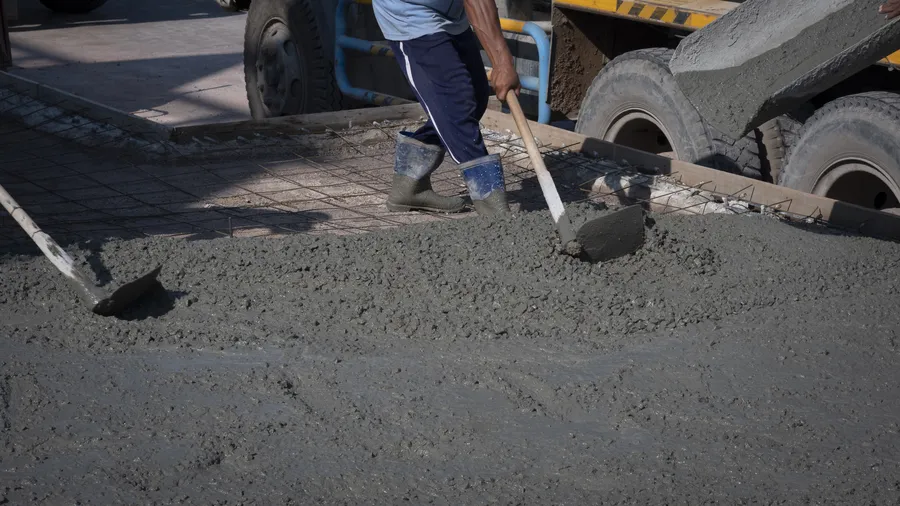
Driveways take a daily beating. Cars sit on them. Rain soaks them. The sun bakes them. Over time, concrete starts to break down. Small cracks can grow fast if water gets inside. In cold areas, that water can freeze and expand.
Sealing creates a protective layer on top of the concrete. This helps reduce moisture damage and surface wear. Even the best concrete driveway installation needs upkeep. A little care now can prevent larger repairs later.
Early Warning Signs
It helps to spot trouble early. Many driveway problems start small.
- Hairline cracks spreading across the surface
- Dark spots from oil or grease
- Fading color or chalky residue
- Small pits or flaking areas
- Water soaking in instead of beading up
If you notice these signs, your driveway may be ready for sealing. Waiting too long can lead to deeper cracks and costly repairs.
Seasonal or Routine Checklist
A simple yearly plan keeps your driveway in good shape. Most driveways benefit from sealing every two to three years. High-traffic areas may need it sooner.
- Inspect the surface for cracks and stains in spring or early summer.
- Clean the driveway with a pressure washer or stiff broom.
- Remove oil spots with a concrete cleaner.
- Let the surface dry fully before applying sealer.
- Apply an even coat using a roller or sprayer.
- Block off the area until it cures completely.
Dry, mild weather works best. Avoid sealing during very hot days or when rain is expected.
Best Practices for Long-Term Results
Good prep work makes a big difference. Sealer will not bond well to dirt or grease. Take time to clean and repair small cracks first. Use a crack filler that is made for exterior concrete.
Choose a sealer that fits your needs. Some leave a glossy finish, while others look more natural. Penetrating sealers soak into the surface and help block moisture. Film-forming sealers add a thin protective layer on top.
If your driveway is new, wait at least 28 days after concrete driveway installation before sealing. Fresh concrete needs time to cure. Sealing too early can trap moisture inside.
If you also offer other exterior services like , it is smart to plan them around your sealing schedule. Heavy equipment or messy work can affect a freshly sealed surface.
What Not to Do
Many driveway problems come from simple mistakes.
- Do not seal over wet concrete.
- Do not skip cleaning before sealing.
- Do not apply sealer too thick.
- Do not ignore active cracks.
- Do not drive on the surface before it cures.
Thick layers may look strong at first, but they can peel or bubble. Multiple thin coats work better than one heavy coat.
When to Schedule Professional Help
Some driveways need more than a basic seal coat. Large cracks, sinking sections, or drainage problems often point to deeper issues. In these cases, simple sealing will not fix the root cause.
If your driveway is more than 10 to 15 years old, it may be time for a full inspection. A professional can check the base, joints, and slope. If needed, repairs can be made before a new seal coat is applied.
Sealing also works best on a solid foundation. A properly done concrete driveway installation sets the stage for long-term performance. Without good installation, sealers can only do so much.
Protect Your Driveway With the Right Plan
At Rea Concrete & Construction, we help homeowners in Painesville, OH protect their investment with proven maintenance plans and expert sealing services. Our team handles everything from concrete driveway installation to resealing older surfaces so they last longer and look better. Call us at (440) 273-6271 to schedule an inspection or talk about the right sealing plan for your driveway.